It's 7:40 on a Friday night in Fells Point. Every table is full. Two parties are waiting by the door, a server needs the host to fix a seating mix-up, and a large group just walked in without a reservation.
Behind the host stand, the phone rings.
It rings again. Someone wants a table for six at 8:30. Someone else wants to order takeout. A third caller wants to know if you can host a birthday dinner next Saturday. Nobody can get to the phone, because everyone is taking care of the people standing in the room.
By the fourth ring, the caller has hung up. By the time the host gets a break, that caller has booked somewhere else.
Across the water, the same thing is happening at a hotel near the Inner Harbor. It's 11:50 p.m. A guest's flight was delayed, and they're calling to make sure their room is still held. The night desk is checking in another guest and dealing with a key card that won't work. The call goes to voicemail. The guest leaves a nervous message, or worse, books a room down the street so they have a sure thing.
None of these businesses did anything wrong. They were busy doing their jobs. The phone just didn't have anyone free to answer it.
That gap is what an answering service in Baltimore, MD fills. This post is about what those missed calls cost, where in the city they happen most, and what it looks like when a Maryland-based team of live humans picks up instead.
Looking for the full rundown of our Baltimore service? See our Baltimore answering service page. This post sticks to the local story.
What Baltimore businesses lose on the phone
A missed call doesn't feel like much in the moment. It's one ring among many on a busy night. But each one is a person who wanted to give you their business and couldn't reach you.
Research from CallRail (2025) found that 78% of callers abandoned a business after an unanswered call, and 82% would call a competitor instead. In a city where the next restaurant, hotel or clinic is often a few blocks away, that second number matters. When a caller can't get you, the next place is easy to find.
Here's how it plays out in three types of Baltimore businesses.
Restaurants: reservations and takeout
For a restaurant, the phone is the front door for anyone who isn't already in the room. People call to book a table, ask about a wait, place a takeout order, or plan a private event.
The busiest hours for calls are the same hours your staff is busiest on the floor. That's not bad luck. People decide where to eat right around dinner time, and that's exactly when your host is seating guests.
Missed reservation calls mean empty tables later in the night. Missed takeout calls mean orders that go to another kitchen. And missed event inquiries can be the most expensive of all, because a party of 20 is worth far more than a table of two.
Hotels: late arrivals and same-night bookings
Hotel calls don't follow business hours. Guests call at midnight because a flight was late. Travelers call at 10 p.m. because their plans changed and they need a room tonight. Someone calls at 6 a.m. to ask about early check-in.
A same-night booking call is a guest who is ready to pay right now. If no one answers, they will book the next hotel that does. A late-arrival call is a guest who already booked with you and wants reassurance. If they hit voicemail, the stay starts with worry instead of a warm welcome.
Clinics and dental practices: new patients and reschedules
For clinics and dental practices, a new-patient call is often someone who has been putting off care and finally decided to make the call. If they hit voicemail during lunch or after 5 p.m., many won't try again. They'll call the next practice on the list.
Reschedule calls matter too. A patient who can't reach you to move an appointment often just doesn't show up. That's an empty chair you could have filled with someone else.
What this adds up to: a worked example
Let's put rough numbers on it. This is an example with round numbers, not a statistic.
Say a Baltimore restaurant misses 4 calls a day. Say half of those callers would have placed an order. And say the average ticket is $45.
4 missed calls a day × half who would have ordered = 2 lost orders a day
2 orders × $45 = $90 a day
$90 × 30 days = $2,700 a month
Your numbers will be different. You might miss fewer calls, or more. Your average ticket might be higher. But the math is worth doing for your own business, because most owners never see the calls they miss. They only see the slow Tuesday and wonder why.
The neighborhoods where the phone never stops
Baltimore is Maryland's largest city, and each part of it has its own mix of businesses and its own reasons for the phone to ring. Here's what we hear from across the city.
Inner Harbor
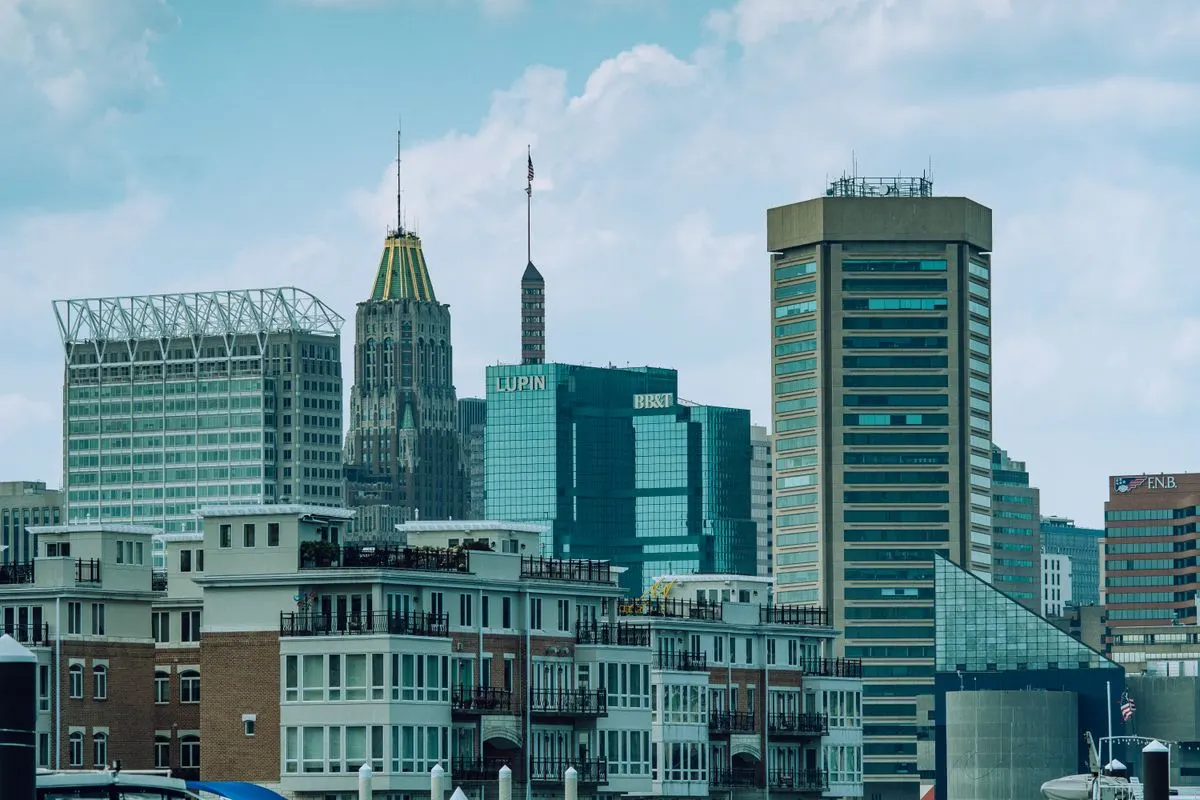
The Inner Harbor is where a lot of visitors land. Hotels here get calls around the clock: late arrivals, room questions, same-night bookings and early check-in requests. Restaurants nearby field calls from visitors who are trying to find dinner close to where they're staying, often at the last minute.
Fells Point
Fells Point means cobblestone streets, waterfront dining and a busy nightlife scene. Restaurants and bars here get slammed on weekends, and their calls spike at exactly the wrong moment: reservations, wait times, takeout and private party requests, all while the host stand is full.
Canton
Canton has a strong neighborhood restaurant and bar scene, and plenty of service businesses that serve the people who live there. Calls here are often regulars ordering takeout or booking a table, plus residents calling local shops and service providers after work hours.
Hampden
Hampden is known for independent shops, cafés and restaurants. Many of these are small teams where the owner is also the person behind the counter. When one or two people run the whole place, there's no one free to answer the phone during a rush. Calls here are reservations, orders, store hours and questions about what's in stock.
Federal Hill
Federal Hill has a mix of bars, restaurants and neighborhood businesses, with crowds that pick up on game days and weekends. Restaurants here deal with group reservation calls and takeout orders during their busiest hours, and the phone often rings hardest when the floor is fullest.
Harbor East
Harbor East mixes hotels, upscale dining and office buildings. That means calls from hotel guests, dinner reservation calls (often for special occasions), and calls to professional offices from clients who expect a real person to answer.
Mount Vernon
Mount Vernon blends historic buildings with restaurants, offices, and medical and dental practices. Clinics here get new-patient calls and reschedule requests throughout the day, and many of those calls come in at lunch or right after closing, when the front desk has stepped away.
Why a Maryland-based team matters
You can hire an answering service from anywhere. But there are real, practical reasons to pick one based in Maryland.
Same time zone. Our agents work on the same clock you do. When it's 7 p.m. on a Friday in Baltimore, it's 7 p.m. for our team. Your "after hours" means the same thing to us as it does to you, and there's no confusion about when a rush starts.
Same area codes. Your callers dial 410, 443 and 667 numbers. Those are our area codes too. We understand who your callers are and where they're calling from.
We know the city. When a caller asks whether you're near the water, how far you are from the Inner Harbor, or which side of Fells Point you're on, our agents aren't guessing at a place they've never heard of. That familiarity makes calls shorter and helps callers feel like they reached someone local, because they did.
We follow Maryland's recording law. Maryland is an all-party consent state for recording calls (Md. Code, Courts and Judicial Proceedings § 10-402). That means everyone on a call has to agree before it can be recorded. Our agents do not record calls without consent. If your business has questions about how this applies to your calls, we'll walk you through it on the demo call.
What coverage looks like for a Baltimore business
Every business is different, so you choose when we answer. Most Baltimore businesses use us in one or more of these ways.
Overflow during the rush
Your staff answers the phone when they can. When they can't, because the dining room is full, the front desk has a line or the receptionist is with a patient, the call rolls over to us. A live agent answers in your business's name, takes the reservation, places the order details or books the appointment right on the call.
The Friday night caller at that Fells Point restaurant gets their table at 8:30. The host never had to leave the stand.
After-hours coverage
When you close, we keep answering. A live human picks up at 11 p.m., 2 a.m. or 6 a.m. That late-arriving hotel guest near the Inner Harbor hears a real voice confirm their room is held. The patient who calls the dental office at 8 p.m. gets booked for Tuesday morning instead of leaving a voicemail they'll forget about.
Weekend coverage
Some businesses only need help on Saturdays and Sundays, when the rush is biggest or the office staff is off. You can start with weekends and add more hours later if it makes sense.
Missed-call text-back
If a caller ever hangs up before the call connects, missed-call text-back sends them a text so the conversation doesn't end there. It gives them an easy way to come back instead of calling someone else.
A short summary after every call
After each call, you get a short summary: who called, what they needed and what was done. You'll know about the reservation, the takeout order, the new patient and the late check-in without having to listen to a single voicemail.
Setup in days
Getting started doesn't take months. We learn how your business works, what callers usually ask, how you want bookings handled and when you want us answering. Most businesses are set up in days.
Voicemail vs AI voice bot vs Answer4U live agents
Here's how the three most common options handle the calls Baltimore businesses get most.
| Option | Friday 7pm caller | Late-night hotel guest | What you learn | Pricing |
|---|---|---|---|---|
| Voicemail | Hears a recording. Many hang up and call the next restaurant. | Leaves a worried message, or books another hotel to be safe. | Whatever the caller chose to say, if they left a message at all. | Usually included with your phone line. |
| AI voice bot | Talks to a machine. Callers with simple questions may get through; others get frustrated and hang up. | Gets scripted answers, which may not settle a guest worried about their room. | Depends on what the bot was able to understand. | Varies by provider. |
| Answer4U live agents | A real person answers in your name and books the table on the call. | A real person confirms the booking or takes the same-night reservation. | A short summary after every call: who called, what they needed, what was done. | From $5/hour. |
The difference comes down to one thing: whether the caller talks to a person who can actually help them. Answer4U uses live human agents only. No AI, no bots.
Pricing
Answer4U plans start at a minimum of $5/hour. There's no long contract, so you aren't locked in if your needs change.
For perspective, the BLS median receptionist wage in the Baltimore metro area is about $37,600 a year (BLS, May 2025). And even a full-time receptionist can't answer two calls at once, work every night and weekend, or cover their own lunch break. An answering service doesn't replace your team. It covers the hours and the overflow your team can't.
Your exact price depends on the hours you want covered and how your calls work. The quickest way to get a number is a short demo call. We'll ask about your business, your busy times and your callers, and give you an exact quote.
See plan details on our pricing page
Book a demo to get your exact quote
Learn more about our Baltimore answering service
See coverage across the state on our Maryland page