
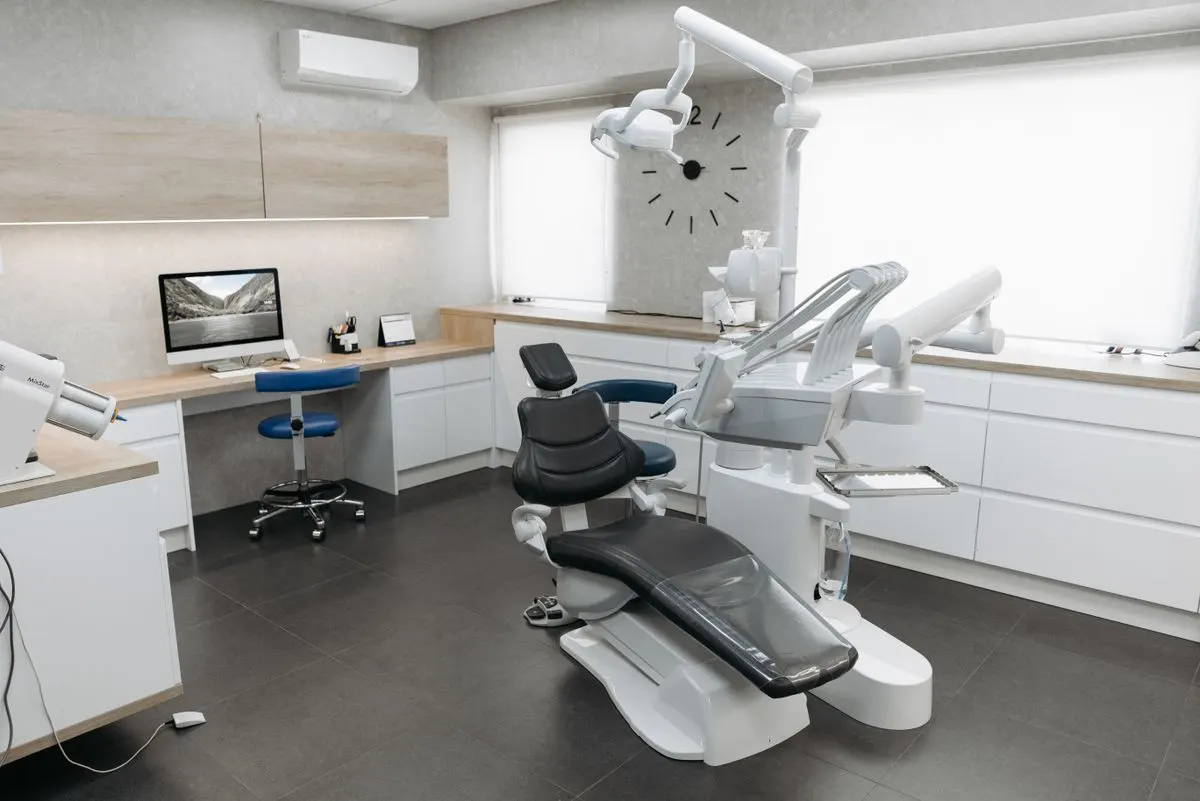
An empty chair is never just an empty chair. The hygienist is idle, the slot cannot be sold twice, and the patient who vanished often does not rebook — they quietly end up somewhere else. The good news is that most no-shows are not caused by patients who don't care. They are caused by friction, and friction is fixable.
Why patients no-show (it is rarely forgetfulness alone)
Appointments are often booked weeks ahead, and life moves in the meantime. Three patterns show up again and again:
- The appointment never felt confirmed. No confirmation call or message means the date sits in the patient's mind as tentative — easy to let slide when the day gets busy.
- Rescheduling was harder than disappearing. The patient tried to move the appointment, reached voicemail, and gave up. The slot then died silently instead of being moved and refilled. This is more common than most practices realize: published caller research found that 78% of callers abandoned a business after an unanswered call (CallRail, 2025, as reported by oncrew.ai). When that unanswered call is a reschedule request, a no-show is the predictable result.
- A question went unanswered. Parking, paperwork, insurance, "will it hurt?" — small unanswered questions become reasons to stay home.
None of these need new software or a bigger team. They need a reliable system for the phone work around the appointment.
Step 1: Confirm twice — and have a person do the second one
Confirm at booking, out loud: date, time, what to bring, and how long it will take. Then confirm again the day before, ideally with a live call rather than only an automated text. A text can be ignored in a second; a short conversation lets the patient ask the small question that would otherwise become a no-show, and lets your team hear hesitation early. Any appointment still unconfirmed by the evening before should be flagged, so the morning starts with a plan for that chair instead of a surprise.
Step 2: Make rescheduling easier than disappearing
Every confirmation should carry one clear message: "If this time stops working, call us any time and we'll move it." Then make sure that call is actually answered — including at 8pm, when patients finally sit down with their calendars. A moved appointment keeps the patient and frees the slot in time to refill it. An unanswered reschedule call loses both. The same CallRail research found 82% of callers would call a competitor after being unable to reach a business — for a dental practice, that competitor is the office down the road. (The wider cost picture is covered in our breakdown of what missed calls cost clinics.)
Step 3: Keep a live waitlist and backfill fast
Most practices have patients who asked for something sooner — a cleaning before a wedding, a crown before a trip. Write them down, with the days and times that suit them. The moment a cancellation or reschedule lands, call down that list immediately. Speed is the whole game: the first practice to reach a waiting patient gets the booking, and a slot filled within the hour stops being a loss. Review the waitlist weekly and drop people who have been waiting too long without contact, so it stays a real tool rather than a drawer of old names.
Step 4: Add a same-morning check-in for long appointments
For long or high-value appointments — implants, crowns, multi-chair family bookings — add a brief call on the morning itself: "We're ready for you at 10, here's where to park, bring your insurance card." It takes a minute, it feels like service rather than enforcement, and it catches the day-of drift that day-before confirmations miss.
Step 5: Close the loop after a no-show
When a patient does not arrive, call the same day. No blame, no lecture — just two specific new times to choose from. Note the reason in the chart: work, transport, childcare, nerves. Patterns appear quickly (one weekday, one time of day, one procedure type), and patterns are what let you fix causes instead of chasing individual appointments.
Where Answer4U fits
Look at the system above honestly: it is mostly phone work, and it lands at exactly the hours your front desk is checking patients in, handling insurance questions, and running the schedule. That is why confirmation systems collapse in busy practices — not because anyone doubts they work.
Answer4U's trained human agents run this phone work around the clock: day-before confirmation calls, reschedule calls answered at any hour, and waitlist backfill calls the moment a slot opens — all under routing and escalation rules your practice approves. It is the same coverage described on our dental answering service page, and every figure behind the missed-call problem is published with its source on our missed-call statistics page.
Book a demo and hear a confirmation call handled live — then decide whether your chairs stay full.